
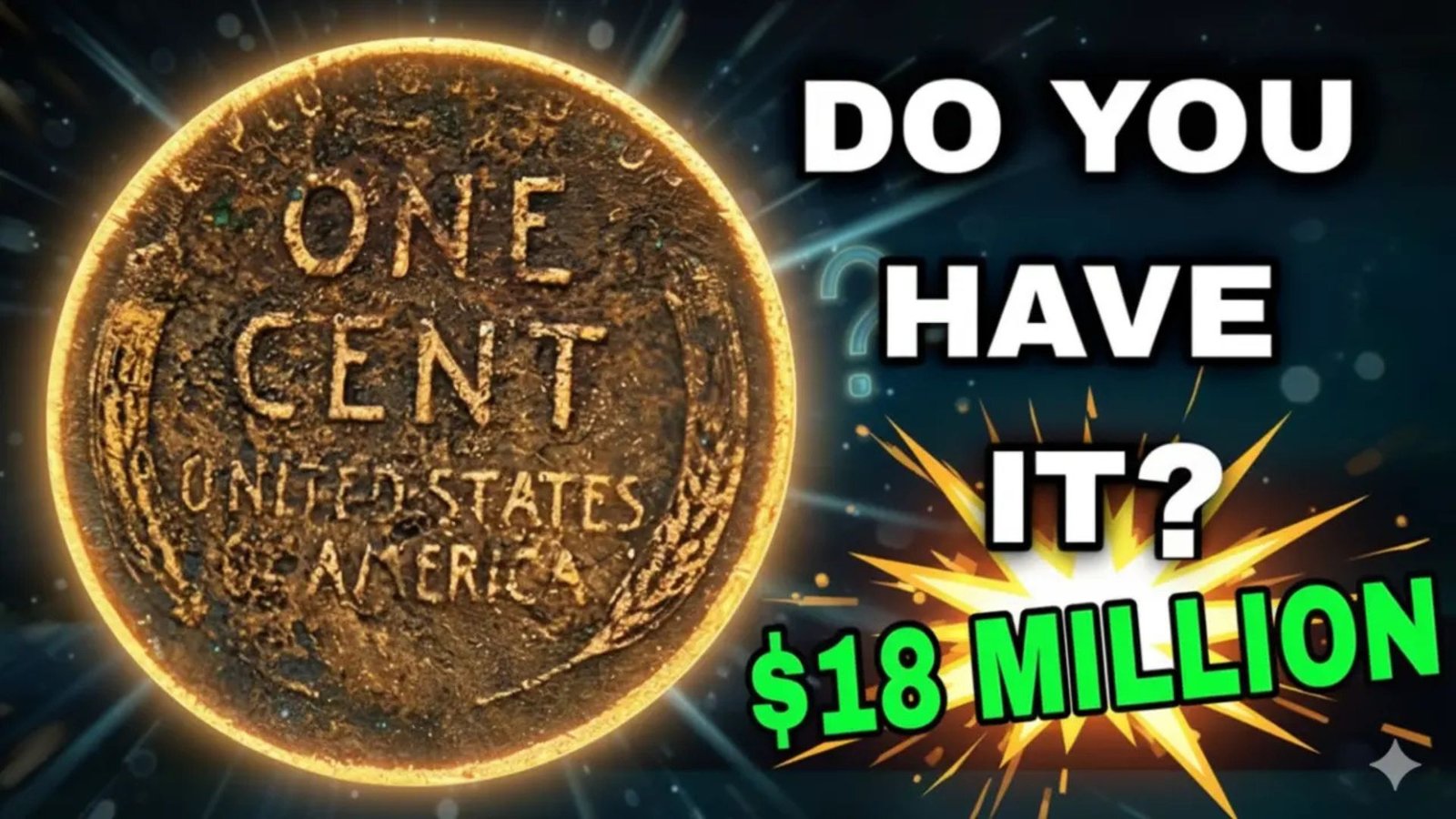
Wheat pennies, also known as Lincoln Wheat Cents, are a favorite among coin collectors due to their historical charm and potential value. Minted from 1909 to 1958, these coins feature Abraham Lincoln on the front and wheat stalks on the back. Over the past 10 years, wheat penny values have fluctuated based on factors like rarity, condition, and market demand. This guide dives into how these coins have performed, what drives their value, and tips for collectors—written in simple, easy-to-understand language to help you navigate the world of wheat pennies like a pro.
Why Wheat Pennies Are Special
Wheat pennies hold a unique place in American history. They were the first coins to feature a real historical figure, Abraham Lincoln, and were minted during significant events like the Great Depression and World War II. Collectors love them for their nostalgic design and the thrill of finding rare varieties that can be worth thousands.

Over the past decade (2015–2025), wheat penny values have seen ups and downs due to collector interest, economic trends, and the discovery of rare coins. Whether you’re a beginner or a seasoned collector, understanding these trends can help you make smart decisions.
Factors That Affect Wheat Penny Values
Several key factors determine how much a wheat penny is worth. Here’s a breakdown:
1. Rarity
Some wheat pennies are harder to find due to low mintage numbers or errors during production. For example, the 1909-S VDB and 1931-S pennies are rare and highly sought after.
2. Condition

The condition, or grade, of a penny significantly impacts its value. Coins in mint condition (like new) are worth more than worn ones. Grading scales like Good (G), Fine (F), Extremely Fine (EF), and Mint State (MS) are used to assess quality.
3. Mint Mark
Wheat pennies were minted in Philadelphia (no mint mark), Denver (D), and San Francisco (S). Coins from certain mints, especially San Francisco, are often rarer and more valuable.
4. Errors and Varieties
Minting errors, like the 1955 Double Die or 1922 No D, can make a penny extremely valuable. These mistakes happened during production and are rare finds.
5. Market Demand

Collector interest drives prices. When demand for wheat pennies spikes, values rise. Economic conditions and trends in the coin market also play a role.
Wheat Penny Values Over the Past 10 Years (2015–2025)
Over the last decade, wheat penny values have shown both stability and growth, depending on the coin’s rarity and condition. Below is a table summarizing the approximate value ranges for key wheat pennies based on recent market trends:
| Year | Mint Mark | Condition | Value Range (2025) | Notes |
|---|---|---|---|---|
| 1909-S VDB | S | Good to MS | $800–$2,500+ | Rare, highly collectible |
| 1914-D | D | Good to MS | $200–$5,000+ | Low mintage, valuable |
| 1922 No D | D | Good to MS | $500–$10,000+ | Famous error coin |
| 1931-S | S | Good to MS | $100–$500+ | Low mintage |
| 1943 Bronze | None/S/D | Good to MS | $100,000–$1,000,000+ | Ultra-rare error |
| 1955 Double Die | None | Good to MS | $1,000–$25,000+ | Iconic error coin |
| Common Wheat Pennies | None/D/S | Good to Fine | $0.10–$5 | Common dates (e.g., 1940s–1950s) |
Note: Values are approximate and based on recent auction data and market trends. Prices can vary depending on grading services like PCGS or NGC.
Trends from 2015 to 2025
- 2015–2018: Wheat penny values were steady, with common coins (e.g., 1940s pennies) selling for $0.10–$2 in average condition. Rare coins like the 1909-S VDB saw prices climb to $1,000+ in mint condition due to growing collector interest.
- 2019–2022: The coin market surged during the pandemic as people turned to hobbies like collecting. Rare wheat pennies, especially error coins, saw spikes in value. For example, a 1955 Double Die in MS-65 condition sold for over $20,000 in 2021.
- 2023–2025: Values stabilized, but high-grade and rare coins continued to appreciate. The 1943 Bronze penny, one of the rarest, fetched up to $1 million at auctions. Common wheat pennies remained affordable, making them great for new collectors.
Top 5 Most Valuable Wheat Pennies to Look For
Here are the wheat pennies that have consistently held or increased in value over the past decade:
1. 1909-S VDB
- Why Valuable: First year of issue with designer Victor David Brenner’s initials (VDB) and low mintage (484,000).
- Value: $800–$2,500+ depending on condition.
- Tip: Check for the “S” mint mark and VDB initials on the reverse.
2. 1914-D
- Why Valuable: Low mintage (1.2 million) makes it a key date.
- Value: $200–$5,000+.
- Tip: Look for sharp details, especially on Lincoln’s face.
3. 1922 No D
- Why Valuable: A minting error where the “D” mint mark was missing.
- Value: $500–$10,000+.
- Tip: Verify authenticity with a professional grader.
4. 1931-S
- Why Valuable: Low mintage (866,000) during the Great Depression.
- Value: $100–$500+.
- Tip: Even in lower grades, this coin is valuable.
5. 1955 Double Die
- Why Valuable: A noticeable doubling in the date and lettering, making it a famous error.
- Value: $1,000–$25,000+.
- Tip: Look for clear doubling in “LIBERTY” and the date.
Tips for Collecting Wheat Pennies
Ready to start or grow your wheat penny collection? Here are practical tips to maximize value and enjoyment:
- Learn to Grade Coins: Understand grading terms like Good, Fine, or Mint State. Use resources like the PCGS or NGC websites to learn more.
- Buy from Reputable Dealers: Purchase from trusted sources like coin shops, auctions, or certified dealers to avoid fakes.
- Store Properly: Keep pennies in protective holders or albums to prevent damage.
- Focus on Key Dates: Prioritize rare coins like the 1909-S VDB or 1955 Double Die for better investment potential.
- Join Collector Communities: Engage with forums or local coin clubs to learn from experienced collectors.
- Check Your Change: You might find common wheat pennies in circulation, especially from the 1940s and 1950s.
How to Sell Your Wheat Pennies
If you’re looking to sell, follow these steps to get the best price:
- Get a Professional Appraisal: Have your coins graded by PCGS or NGC for accurate valuation.
- Research Market Prices: Check recent auction results on sites like eBay or Heritage Auctions.
- Choose the Right Platform: Sell through reputable auction houses, coin dealers, or online marketplaces.
- Highlight Rarity: Emphasize key dates or errors when listing your coins.
The Future of Wheat Penny Values
Looking ahead, wheat penny values are likely to remain strong for rare and high-grade coins. As fewer wheat pennies remain in circulation and collector interest grows, demand for key dates and errors will likely push prices higher. Common pennies will stay affordable, making them a great entry point for new collectors.
Economic factors, like inflation or shifts in the collectibles market, could also influence values. Staying informed through coin shows, online forums, and market reports will help you make smart buying or selling decisions.
Conclusion
Wheat pennies are more than just old coins—they’re pieces of history with the potential for significant value. Over the past 10 years, wheat penny values have shown steady growth for rare coins and errors, while common pennies remain accessible for beginners. By understanding what drives their worth, focusing on key dates, and following smart collecting tips, you can build a rewarding collection. Start hunting for those rare finds, and you might uncover a treasure worth thousands!